

5 Smart Places a Home Elevator Adds Everyday Value
Where a residential elevator is placed can shape how useful it becomes in daily life. This article explores five strategic locations—from the garage and kitchen to the primary suite, lower level, and outdoor living areas—that can make a home elevator feel more natural, functional and valuable.

How Big Should a Home Elevator Be? Planning Cab Size and Capacity Around Real Life
Home elevator sizing should be based on how the elevator will actually be used, not just what technically fits. This article walks homeowners through cab size, capacity, door configuration, mobility planning, everyday household use and long-term flexibility.

The Space Outside the Elevator Matters, Too: How to Design a Residential Elevator Landing That Feels Intentional
A home elevator should feel integrated into the entire house, not just inside the cab. This article explores how thoughtful landing design, lighting, materials, sightlines, privacy and surrounding architecture can make each elevator stop feel polished and intentional.

The Model Home Effect: How a Home Elevator Can Help Buyers Understand the Upgrade
There are some upgrades buyers can understand immediately from a selections sheet. Quartz countertops. Hardwood floors. An outdoor fireplace. A larger primary shower. A home elevator can be different.
For a buyer who has never lived with one, "optional residential elevator" may sound like something they'll need decades from now—or simply another line item competing for their upgrade budget.
Then they walk into a model home that has one.
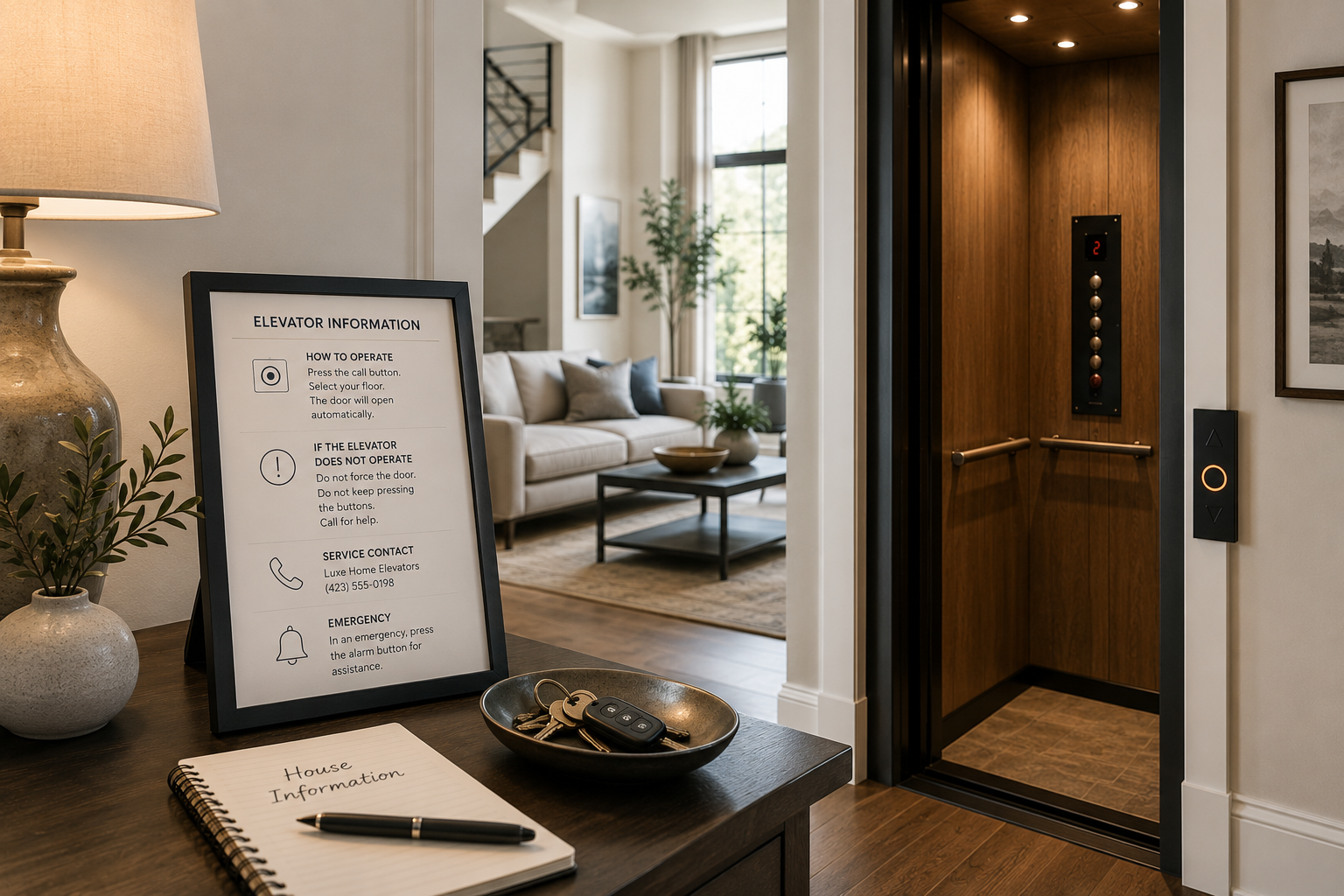
Who Should Know How to Use Your Home Elevator When You’re Not Home?
You know how to use your home elevator without thinking about it.
The person staying at your house for the weekend may not.
Neither may your pet sitter, housekeeper, babysitter, property manager, contractor, or the family member stopping by while you're out of town. If someone will be spending time in your home when you aren't there, your elevator deserves a spot on the information you leave behind—especially if they may need to use it.

Before You Leave: A Simple Vacation Checklist for Your Home Elevator
Whether you're leaving for a two-week vacation, heading south for the winter, or closing up your mountain or lake house for the season, it's easy to focus on the obvious checklist—adjusting the thermostat, turning off the water, setting the security system, and asking someone to collect the mail.
Your home elevator probably isn't the first thing that comes to mind.
Fortunately, preparing your elevator before you leave doesn't take much time. A few simple steps can help keep it clean, protected, and ready to operate smoothly when you return.
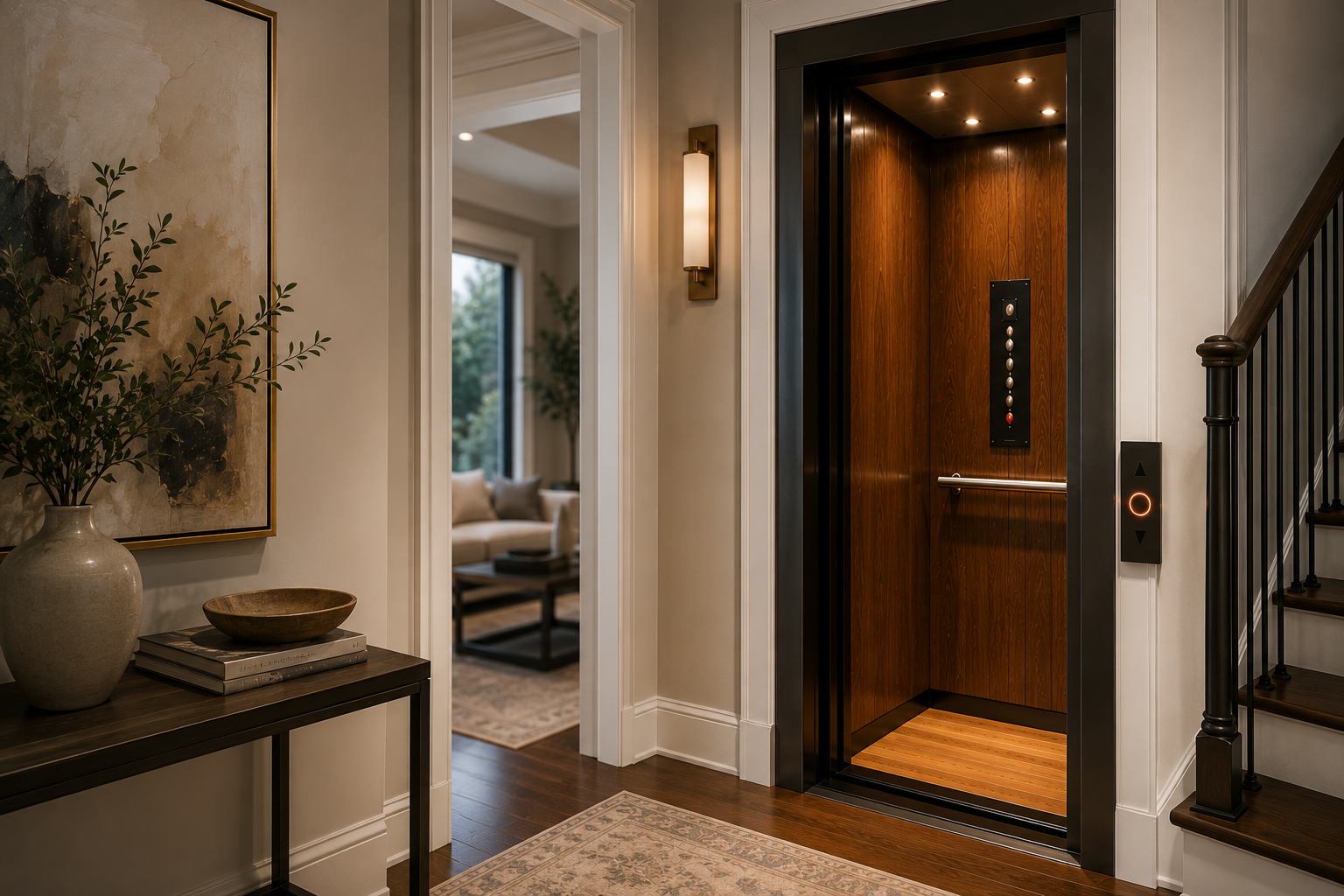
What Sounds Are Normal…and Which Ones Mean It's Time to Call for Service?
Most homeowners don't think much about their home elevator until it makes a sound they haven't heard before.
Maybe it's a soft humming noise while it's moving. Maybe the doors seem a little louder than usual. Or perhaps you hear a squeak or vibration and immediately wonder, "Is that normal?"
Knowing the difference between expected operating noises and sounds that deserve attention can help you feel more confident—and help catch small issues before they become larger repairs.
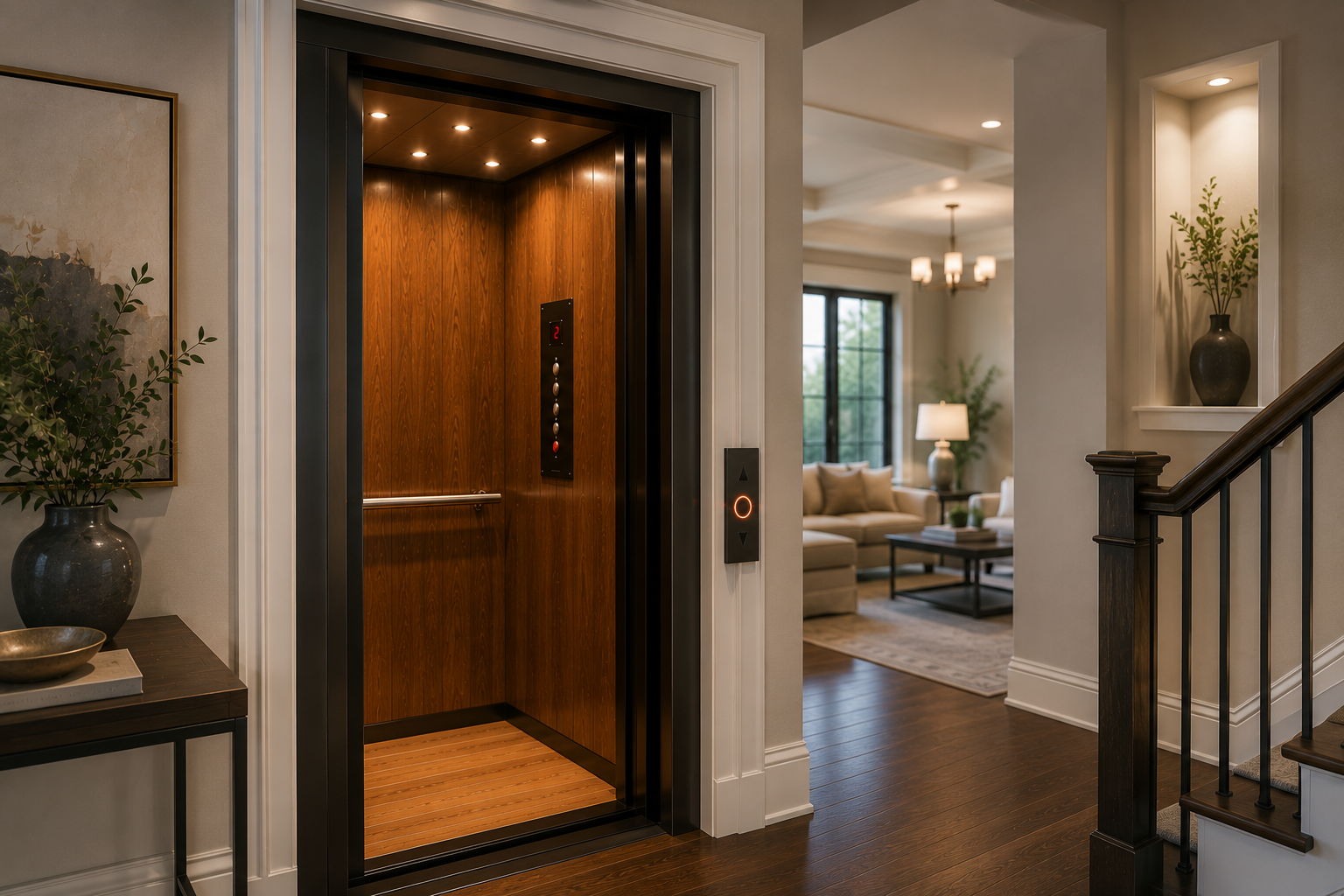
Home Elevator Etiquette: Simple Tips for Family, Friends & House Guests
For many visitors, using a home elevator is a completely new experience. Some are excited to try it, while others may feel a little hesitant or unsure about how it works.
The good news is that home elevators are designed to be intuitive and easy to operate. With a little preparation—and a few simple etiquette tips—you can help family, friends, and overnight guests feel comfortable using your elevator from the moment they arrive.
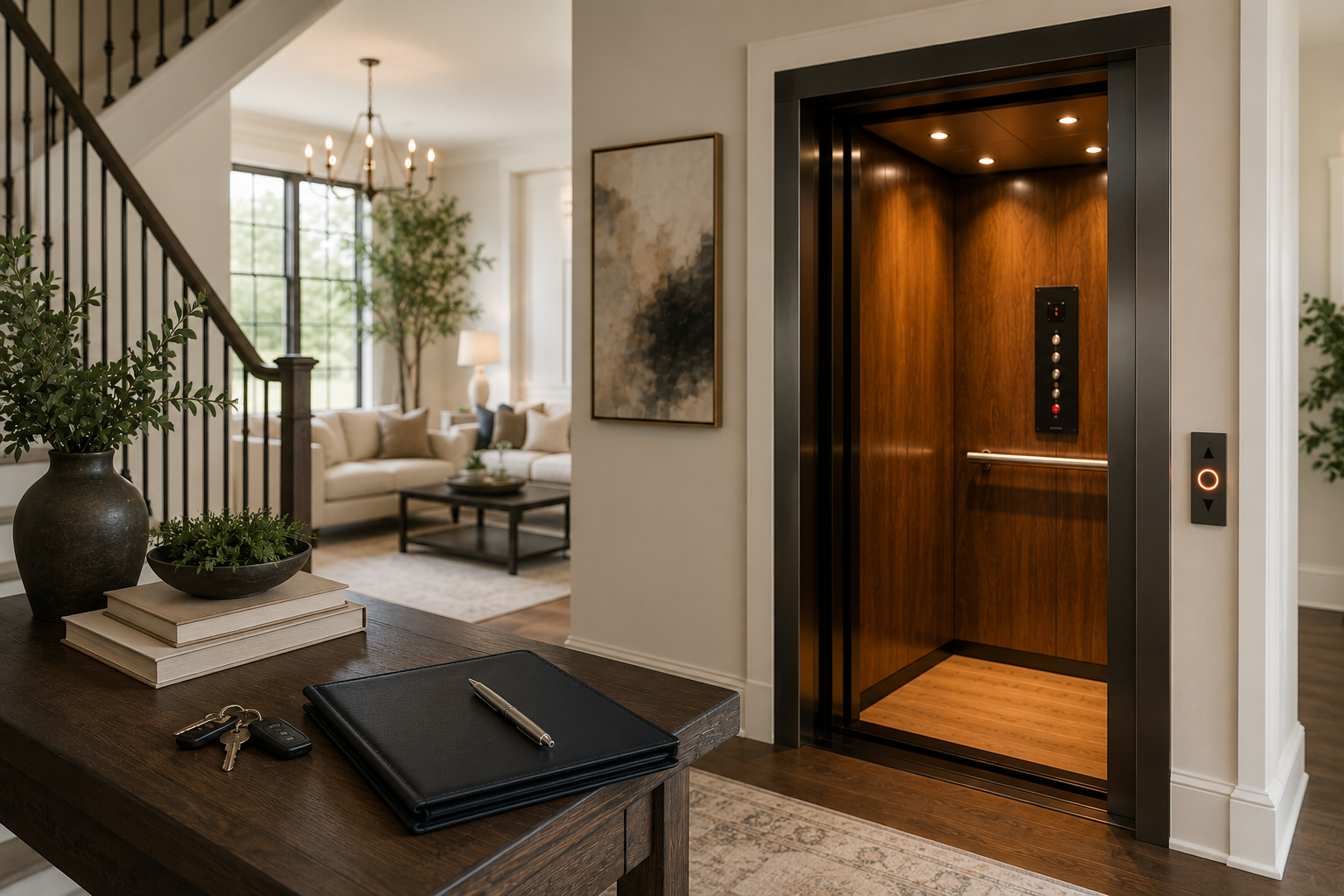
Buying a Home With an Existing Elevator? Here's Your Complete Checklist
Finding a home with a residential elevator is exciting. It adds convenience, accessibility, and long-term flexibility that many buyers come to appreciate every day.
But just like an HVAC system, roof, or generator, a home elevator is an important mechanical system that deserves a closer look before closing.
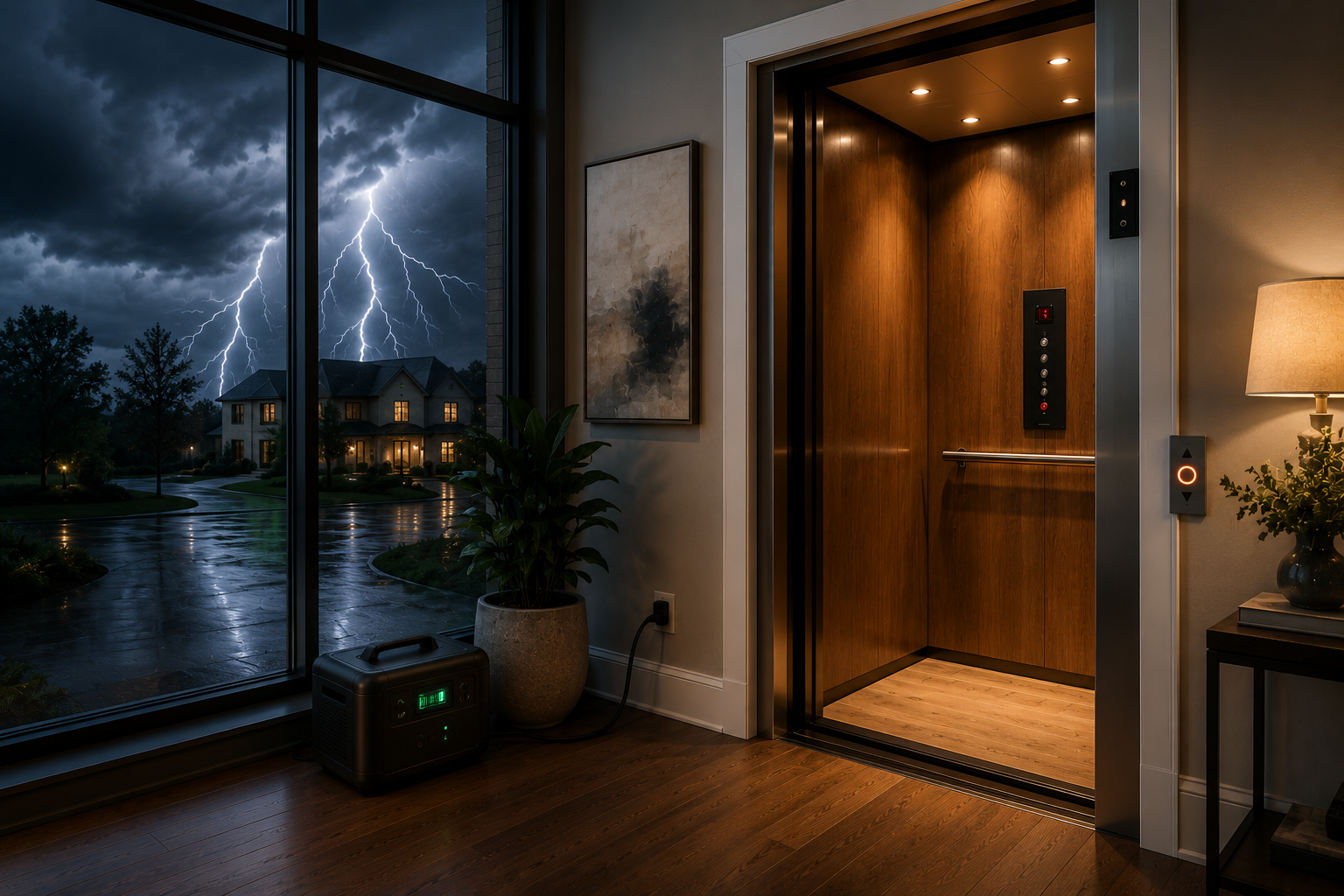
What Happens to Your Home Elevator During a Power Outage?
It's one of the first questions homeowners ask during a consultation:
"What happens if the power goes out while I'm in the elevator?"
It's an understandable concern, especially in areas where severe storms, hurricanes, or winter weather can occasionally interrupt power.
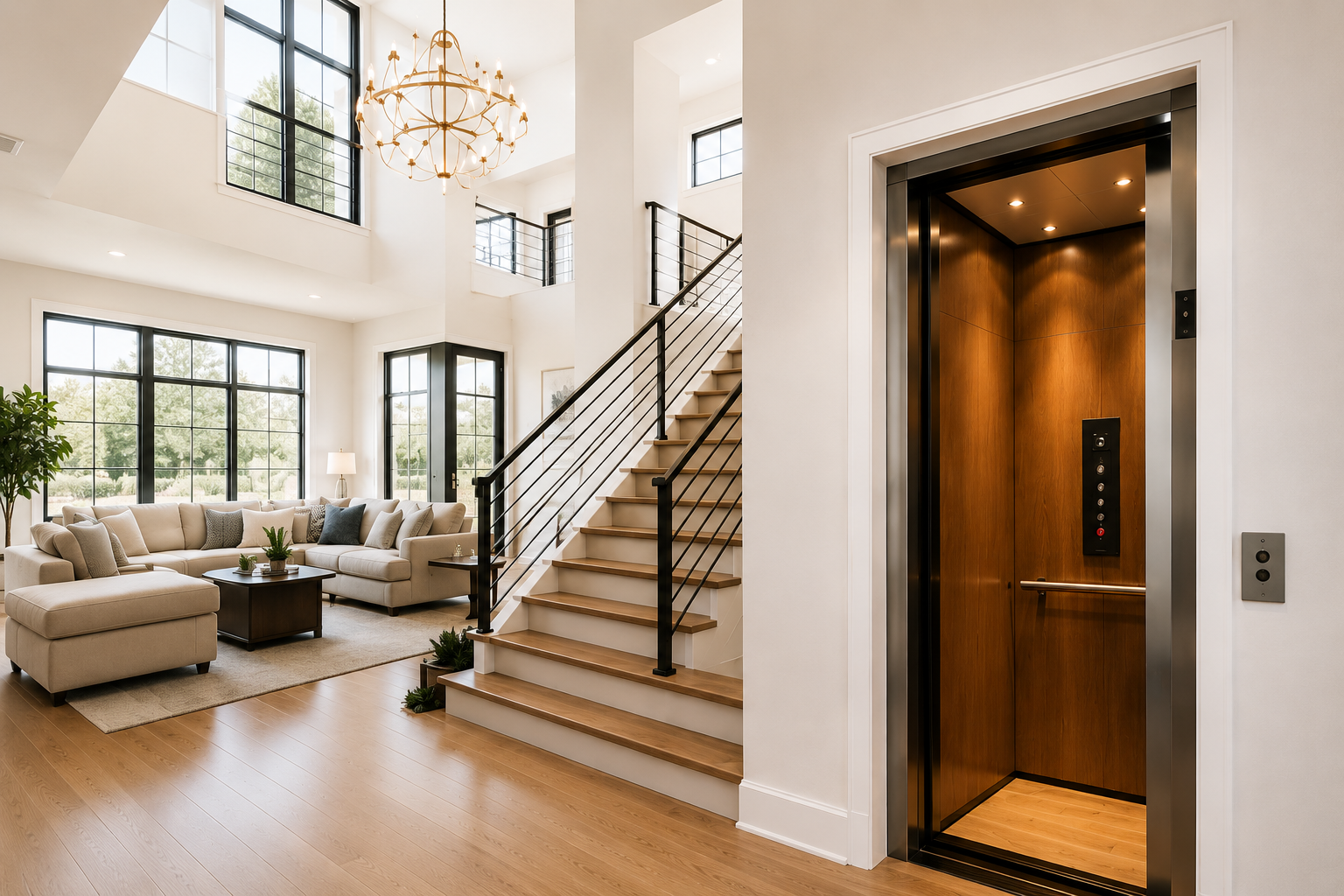
Designing Homes That Sell: The Features Buyers Notice Before They Read the Specs
In luxury home construction, buyers often make decisions long before they read the specifications sheet.
Before they compare square footage, appliance brands, or finish selections, they're reacting to something much more powerful: how a home feels.

How to Keep Kids Safe Around Your Home Elevator
A home elevator can make life easier for everyone in the family—including parents. From carrying laundry to moving groceries and strollers between floors, elevators quickly become part of everyday life.
Like any feature in the home, however, children should be taught how to use it safely.

How Home Elevators Can Help Builders Stand Out & Sell Homes Faster
In today’s luxury home market, buyers expect more than beautiful finishes and open floorplans. They’re looking for homes that feel thoughtful, future-ready, and designed for the way people actually live.
That’s one reason more builders are starting to incorporate residential elevators — or at minimum, elevator-ready designs — into new construction homes.
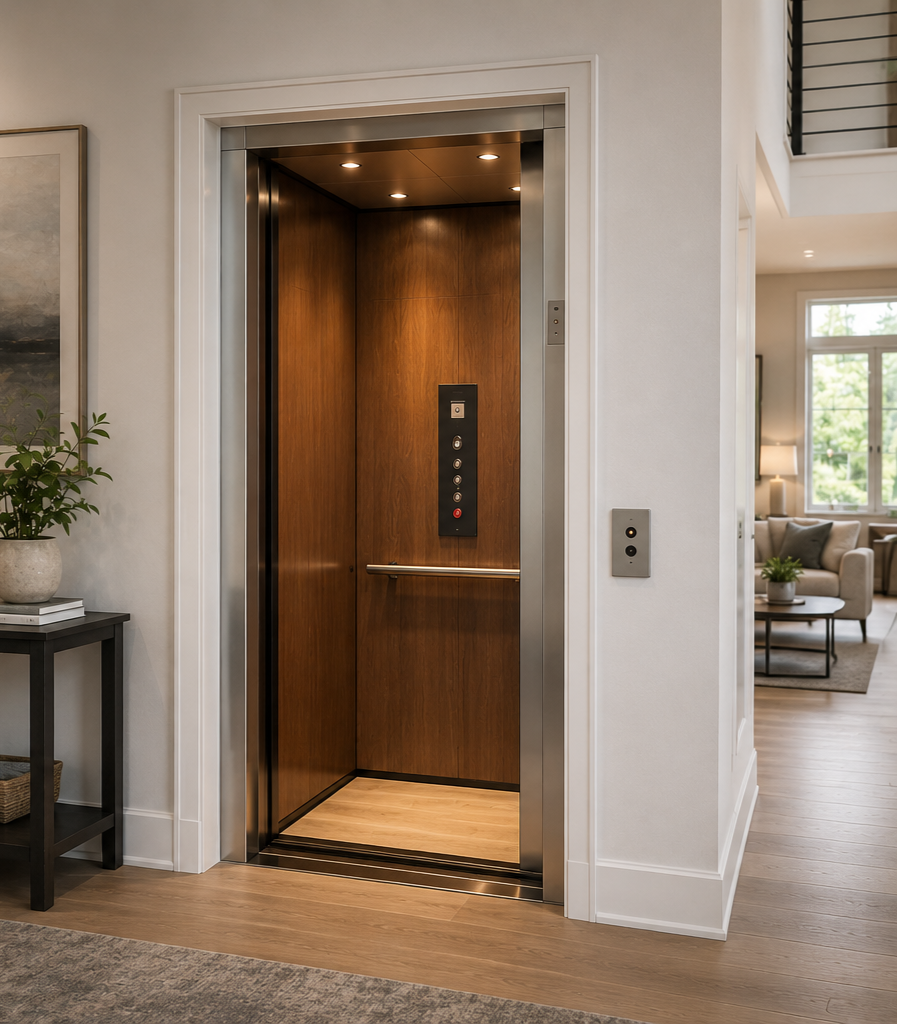
What Happens If a Home Elevator Gets Stuck? A Homeowner’s Guide to Staying Safe
There’s a common fear many homeowners have before installing a residential elevator:
“What if it gets stuck?”
The good news is that modern home elevators are designed with multiple built-in safety systems that make serious issues extremely rare. In most cases, a stopped elevator is simply responding exactly the way it was engineered to — safely and securely.
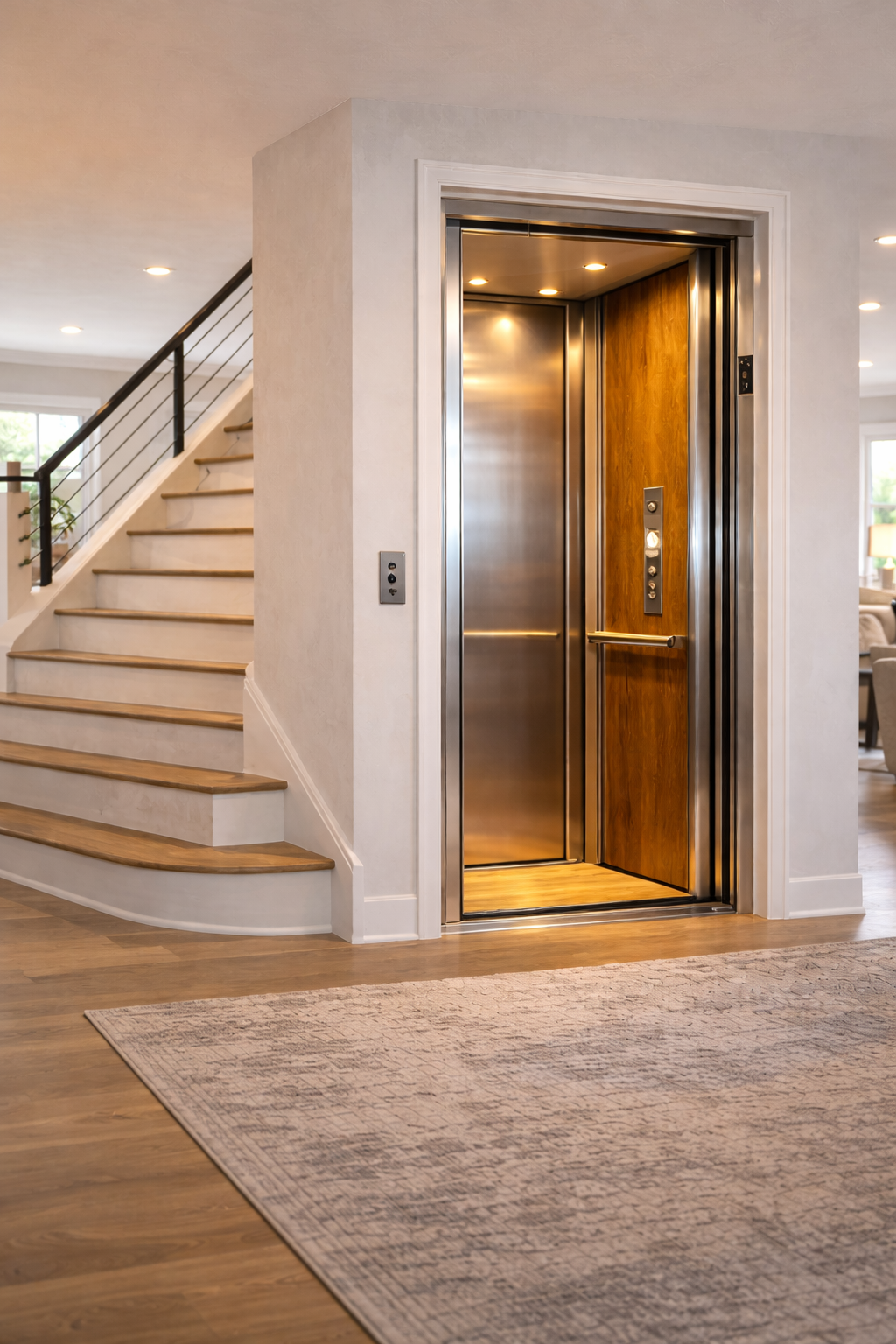
Home Elevator vs Stair Lift: What’s the Difference?
When navigating mobility in a multi-level home, most homeowners find themselves deciding between two options: a home elevator or a stair lift. At a glance, they may seem similar — both are designed to make moving between floors easier. But in practice, they offer very different experiences, both in how they function and how they fit into your home.

How to Make Your Home Elevator Feel Like Part of the Architecture
A home elevator shouldn’t feel like something that was added later — it should feel like it was always part of the home. The difference comes down to design decisions. When placement, materials, and proportions are considered early, an elevator can integrate seamlessly into the architecture rather than standing apart from it.
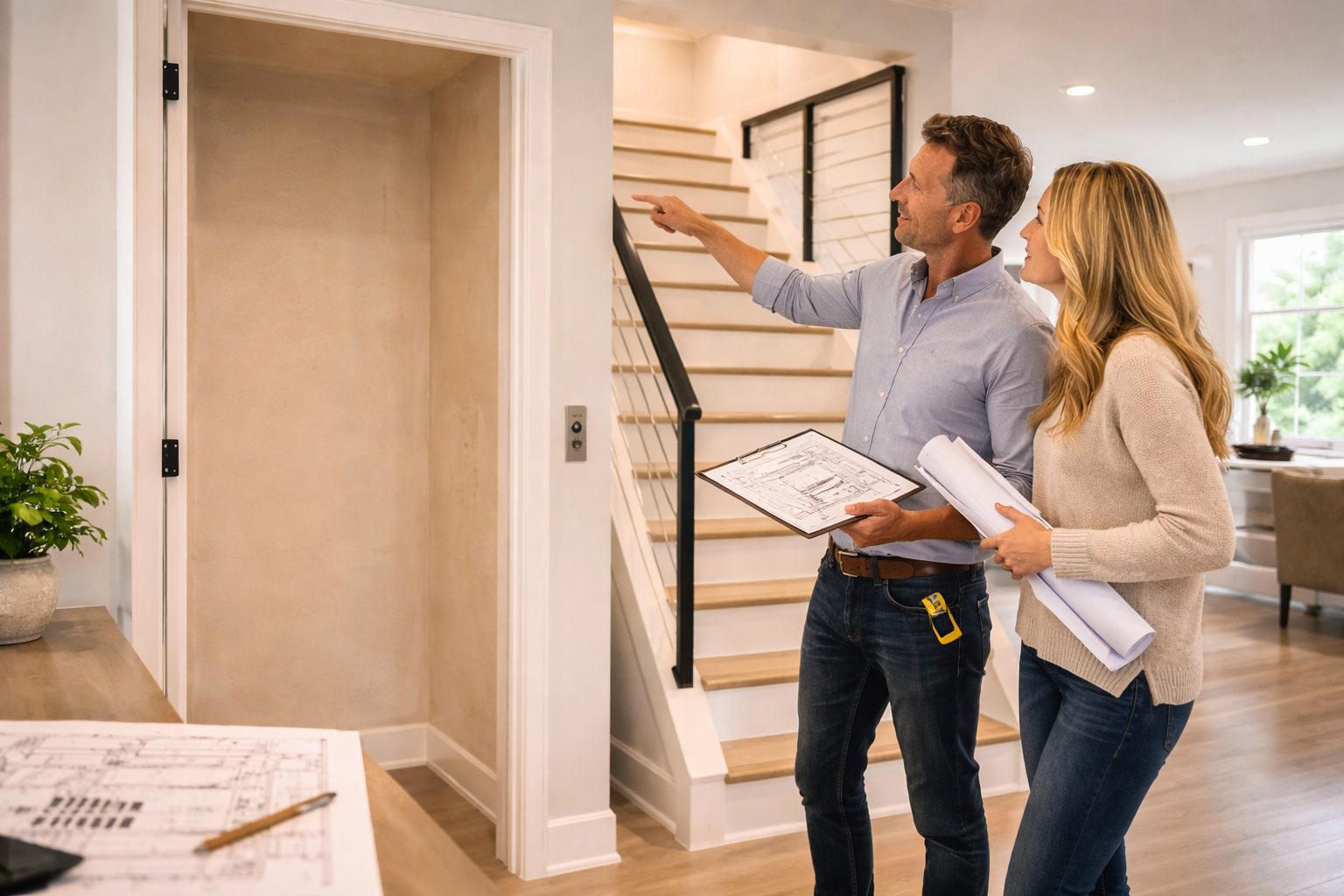
5 Questions Homeowners Should Ask Before Installing a Home Elevator
Installing a residential elevator is an exciting upgrade, but like any major home improvement, it helps to ask the right questions before getting started. Homeowners who take the time to understand their options often experience smoother installations and better long-term results. Here are five questions worth asking before moving forward.
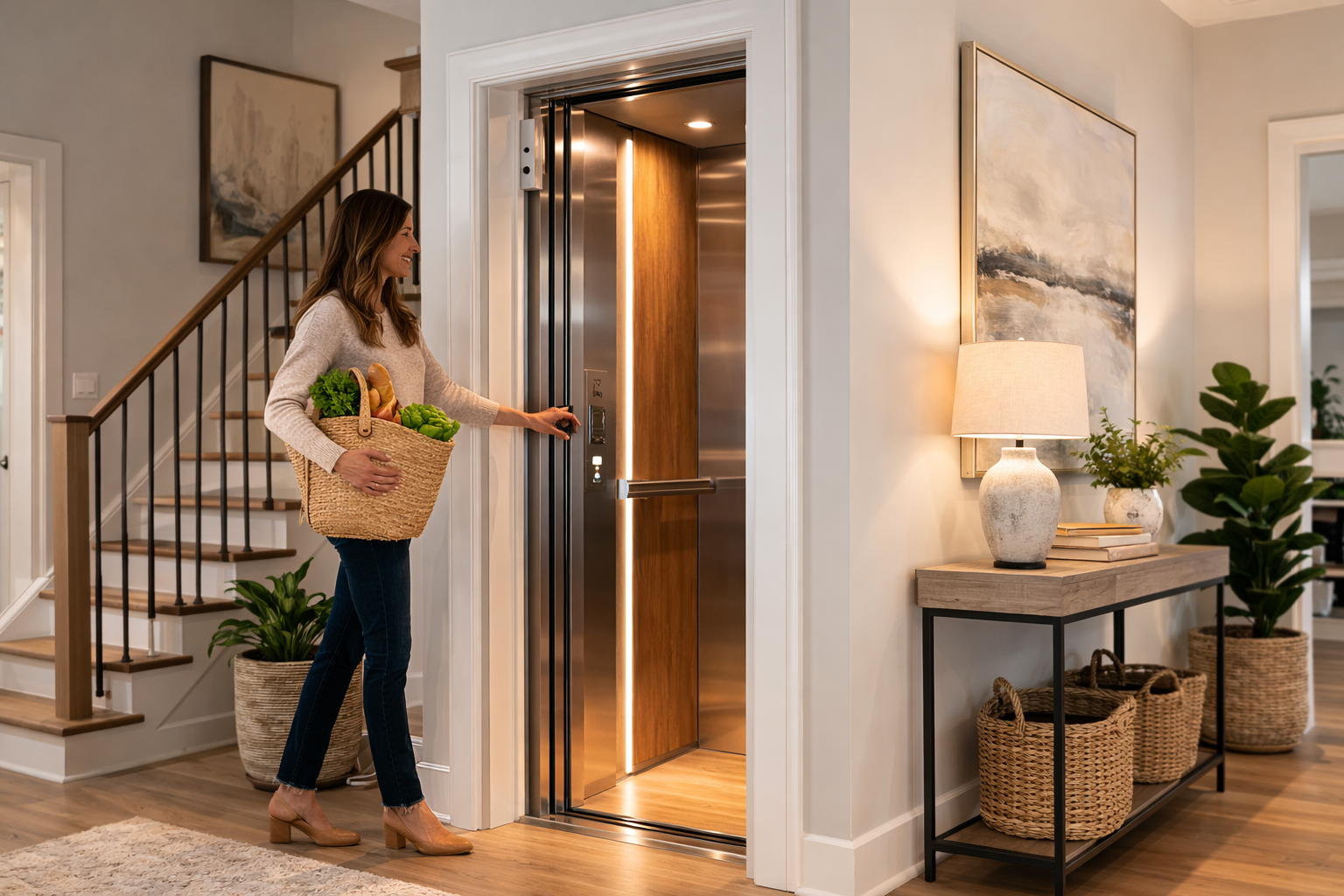
How Much Space Does a Home Elevator Really Need?
One of the first questions homeowners ask when considering a residential elevator is simple: Do I actually have room for one?
Many people assume elevators require large shafts or major structural changes. In reality, modern residential elevators can fit into surprisingly compact spaces when planned thoughtfully. Understanding the basic space requirements can help homeowners determine whether an elevator could work in their home.

How a Home Elevator Changes Daily Life (More Than You Expect)
Most homeowners install an elevator for one clear reason — convenience. But what many don’t anticipate is how much it changes daily living in subtle, meaningful ways. Here’s what homeowners consistently tell us after installation.

Home Elevator Safety: How to Protect Your Family and Guests
A home elevator should feel effortless — but it should also feel secure. Whether you use your elevator every day or only when guests visit, safety should always be part of the conversation.
Modern residential elevators are designed with built-in safeguards, but homeowners can take additional steps to ensure their elevator remains safe, reliable, and worry-free for everyone who uses it.
Here’s what every homeowner should know.